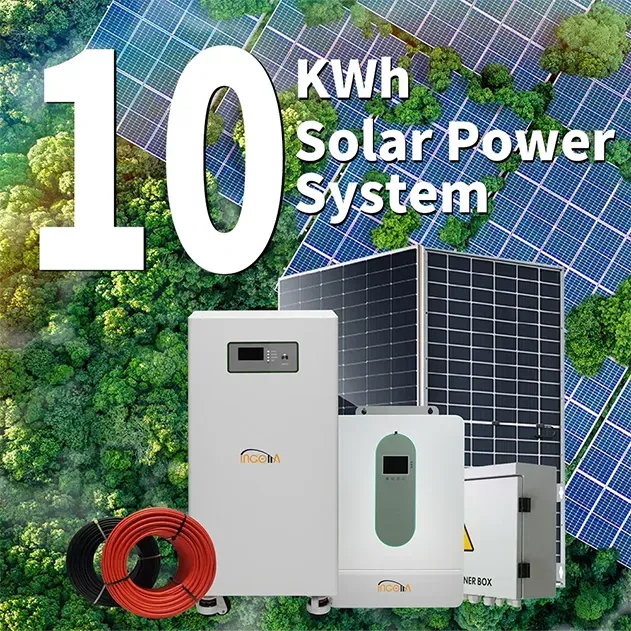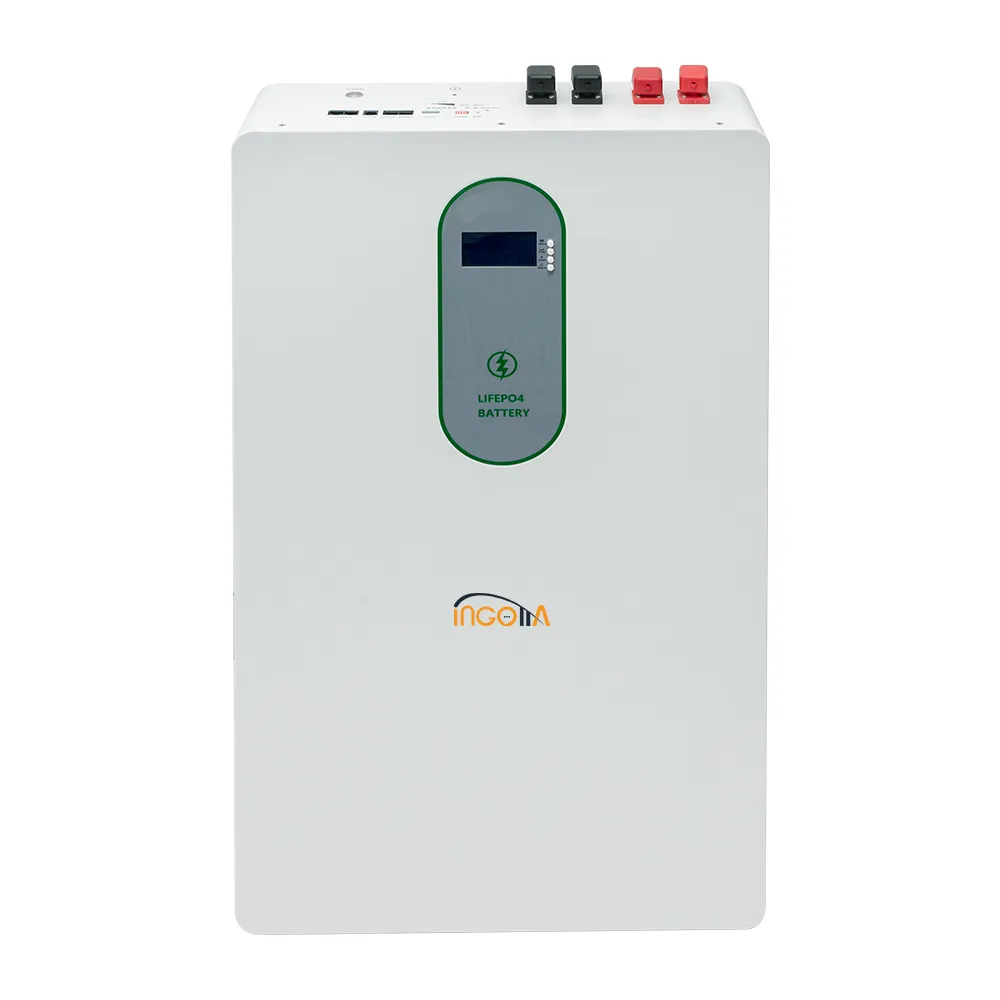
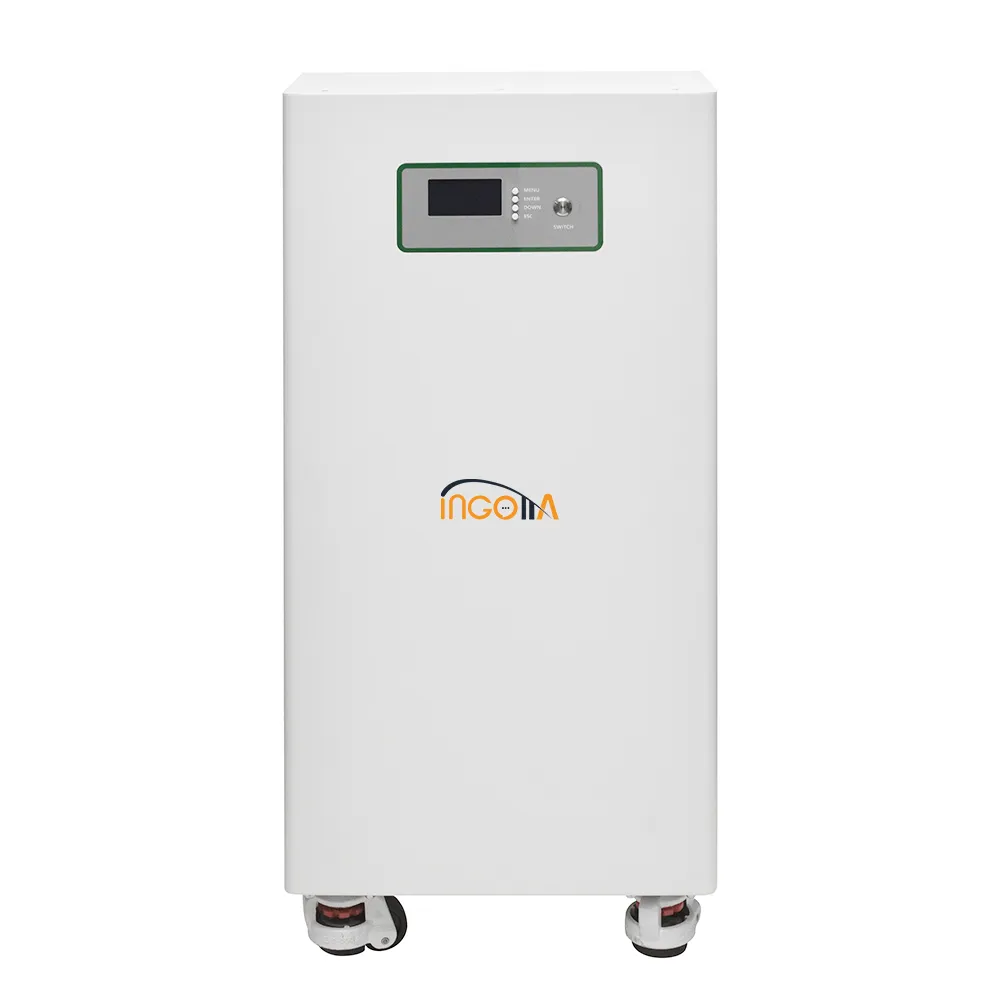
15kwh RSPB series Lifepo4 battery
ISPB series
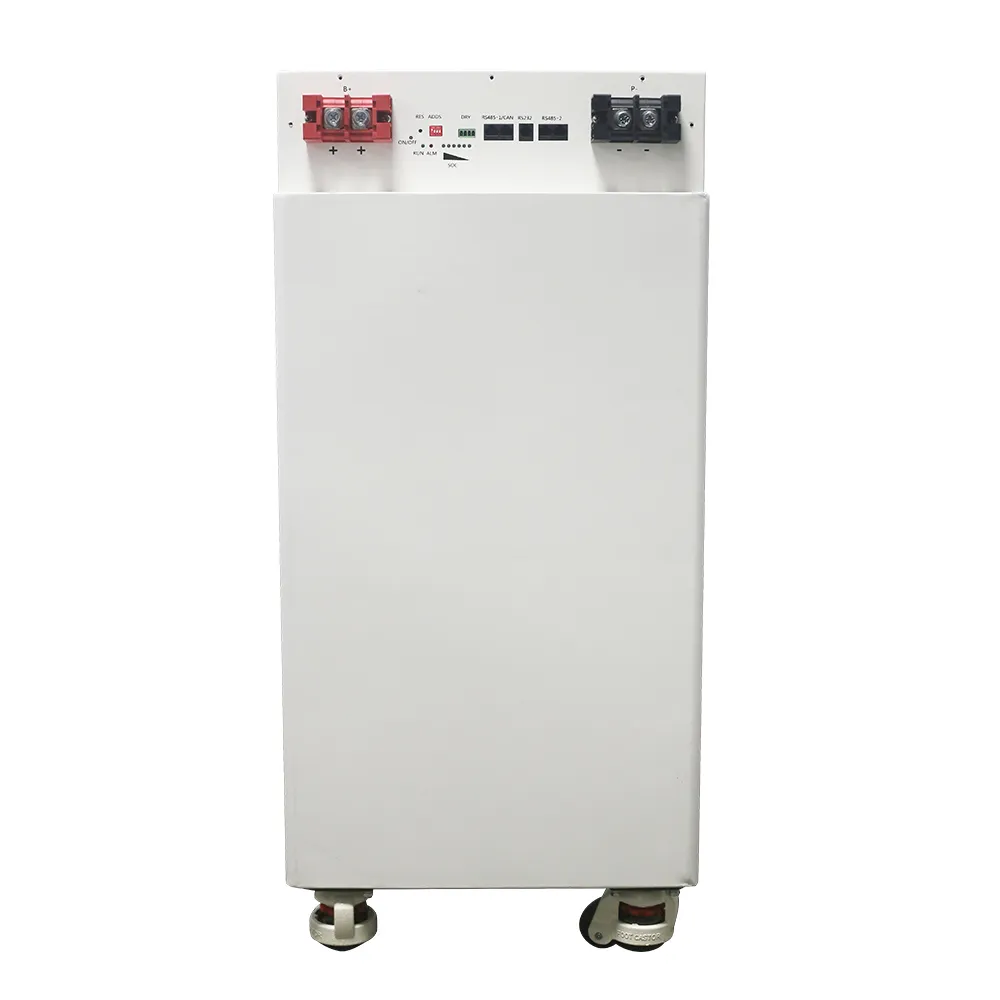
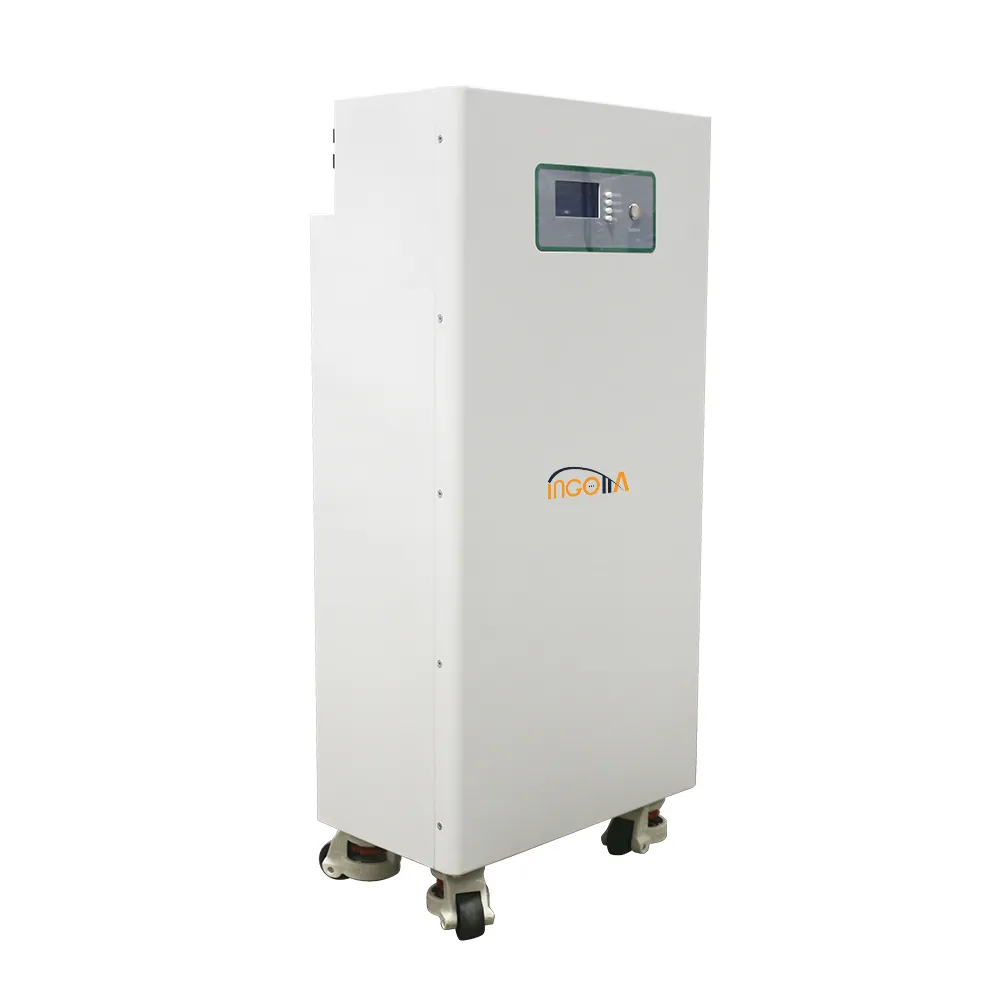
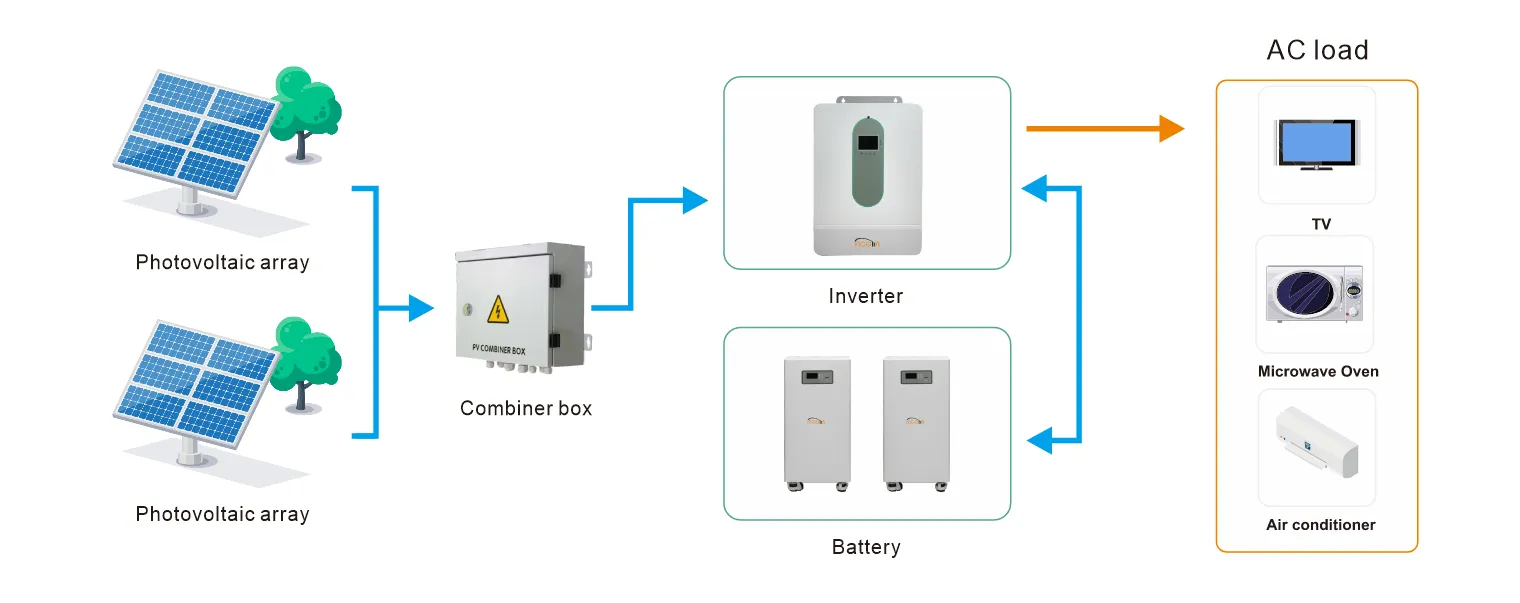
The ultra large capacity lithium iron phosphate battery is designed with 4 wheels at the bottom, which are movable and have a built-in BMS system for longer cycle life. It can communicate with ISGC-T series high-frequency inverters, support multi machine parallel connection, and can automatically synchronize and adjust battery voltage through BMS, widely used in household and commercial energy storage fields.- A-grade battery
- Over 6000 deep cycles, high energy density, environmentally friendly
- Built in BMS
- Certificate CE, UN38.3, MSDS
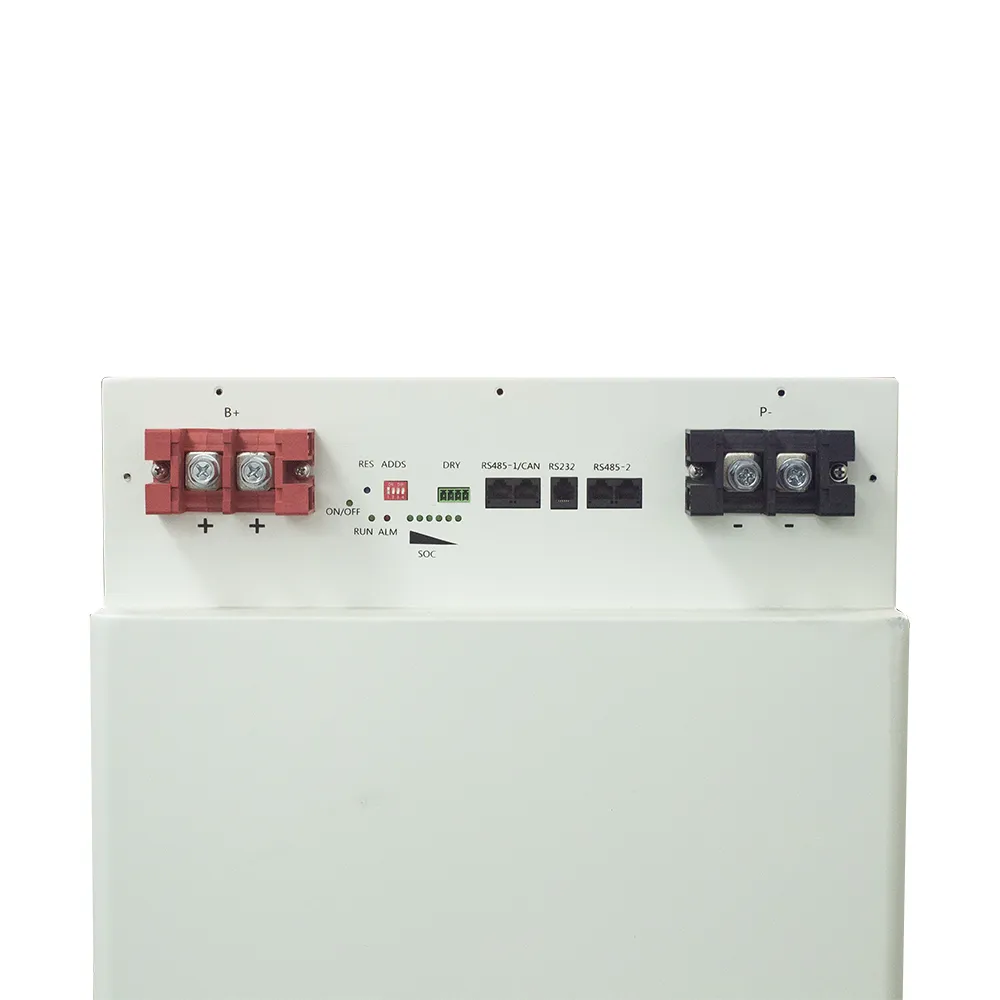
- Supports RS485/RS232/CAN communication interface
- Easy to move

Overview
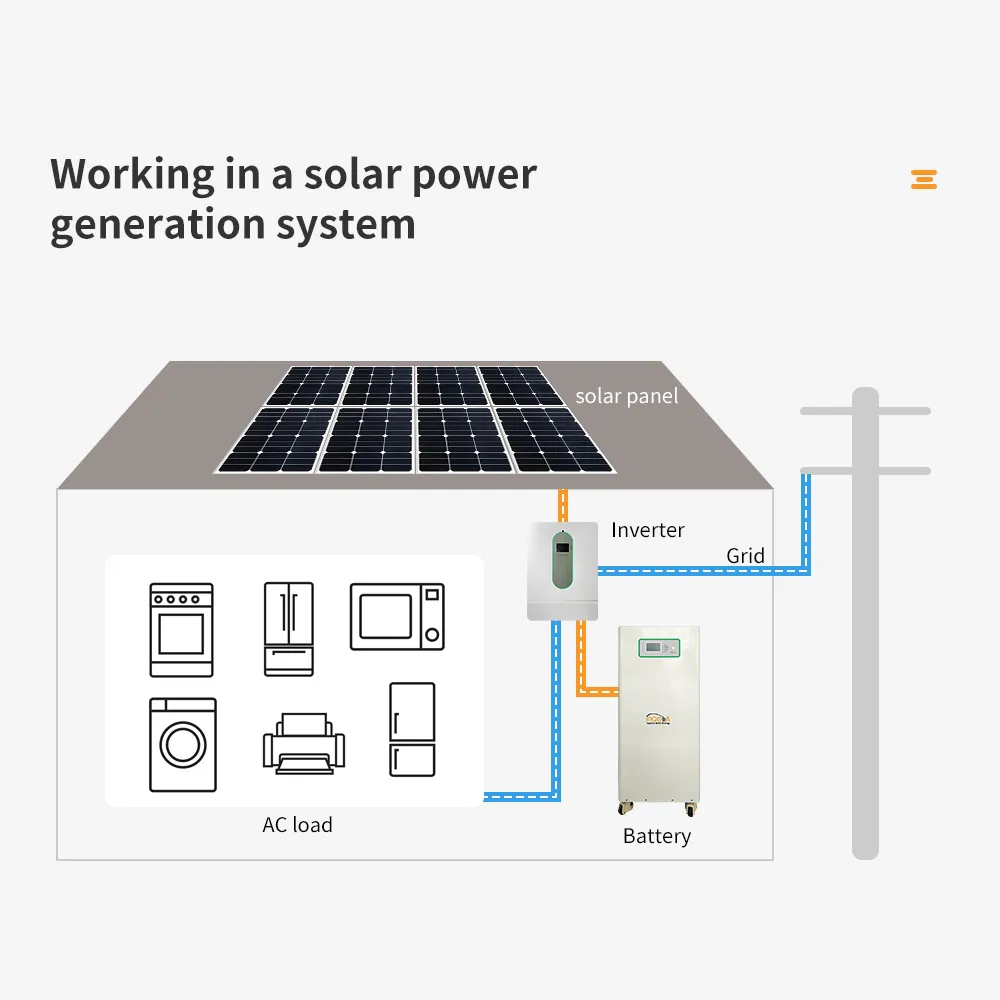
Our ultra-large capacity Lithium Iron Phosphate (LiFePO₄) battery integrates an intelligent BMS, ensuring long cycle life, safety, and reliability. Designed with four wheels for easy mobility, it supports communication with ISGC-T series inverters and multi-unit parallel connection. The system automatically synchronizes and adjusts voltage for plug-and-play operation. It is widely used in both residential and commercial energy storage applications.Diagram
Specification
| (item) | RSPB-15 | (mark) | |
| (rated capacity) | capacity | 300Ah | 60A 0.2C Standard charging |
| 150A 0.5C Standard Discharge | |||
| Voltage | 51.2V | ||
| Discharge termination voltage | 41.6V ±0.5V | ||
| Charging limit voltage | 58.4V±0.5V | ||
| internal resistance | ≤50mΩ | Measure internal resistance using AC method in semi electric state (measured using new batteries with less than a week of shipment and less than 5 cycles) | |
| Standard charging | persistent current:60A | Charging time: approximately 5 hours | |
| Continuous voltage :58.4V |
|||
| Standard Discharge | persistent current:150A | The discharge time is about 2 hours | |
| cut-off voltage:41.6V±0.5V | |||
| Fast charging | persistent current:150A | Charging time: approximately 2 hours | |
| Continuous voltage:58.4V | |||
| Maximum Continuous Charge Current | 150A | 0.5C | |
| Maximum Continuous Discharge Current | 200A | 0.67C | |
| Working temperature range | Charge: 0~45℃ | 60±25%R.H.(Range of humidity for battery storage) | |
| Discharge(: -20~60℃ | |||
| Storage temperature range | Temperature of battery storage environment(-10℃~45℃) | 60±15%R.H. | |
| Charge capacity30%~50% | (Humidity range during shipment status) | ||
know more about case
Faqs
Get A Quote
What can the ISPS series products do for you
Energy storage system
Providing Emergency Backup Power: The peak-shaving and valley-filling mechanism can discharge stored energy during off-peak hours, offering emergency backup power to address unexpected events and safeguard the secure and stable operation of the power grid.
Enhancing the Utilization of Fluctuating Renewable Energies: Energy storage systems can harness renewable energies such as wind and solar to charge batteries during periods of low grid demand. Conversely, during peak demand, the stored chemical energy in the batteries is converted back into electrical energy for discharge. This process significantly improves the utilization rate of intermittent renewable energy sources, ensuring a more efficient integration with the power grid.